Soft-Fabric Floral Dresses: Balancing Comfort and Warm-Weather Wearability
TL;DR
What floral dresses balance soft fabric with all-day warm-weather comfort? Soft hand-feel and breathability are separate fabric properties that sometimes conflict. The softest fabrics (rayon, viscose) drape beautifully but can trap heat if the weave is too tight. The most breathable fabrics (open-weave cotton, linen) feel rougher against skin. The sweet spot for warm-weather floral dresses sits at lightweight polyester-rayon blends in loose A-line silhouettes—soft enough to feel comfortable on bare skin, structured enough to allow airflow between body and fabric. Below, we break down exactly what "soft" means in fabric terms, where it helps, where it fails, and which six dresses buyers rate highest for real-world comfort.
Soft vs. Breathable: They Are Not the Same Thing
The most common mistake when shopping for comfortable summer dresses is treating "soft" and "breathable" as synonyms. They measure entirely different fabric properties:
Softness refers to how a fabric feels against skin on first contact. It depends on fiber diameter (thinner fibers = softer), weave flexibility, and surface finishing. A brushed microfiber polyester can feel incredibly soft while trapping heat like a blanket.
Breathability measures how easily air and moisture pass through the fabric. It depends on weave openness, fiber absorbency, and fabric weight. A loosely woven linen is extremely breathable but feels coarse and scratchy to many people.
For warm-weather floral dresses, you need both—but they pull in opposite directions. Tighter weaves that create a smooth, soft surface reduce airflow. Looser weaves that maximize breathability create a rougher texture. The practical solution is a loose-fitting silhouette in a moderately soft fabric: the air gap between body and dress compensates for moderate breathability, while the fabric itself stays comfortable against skin at contact points (shoulders, waist, upper back).
The Fabric Hand-Feel Spectrum for Summer Florals
Understanding where common dress fabrics fall on the softness spectrum helps set realistic expectations:
Softest tier (butter-like drape): Modal, Tencel, high-quality viscose/rayon. These fibers are extremely fine (often under 1.5 denier) and produce a liquid drape. Trade-off: wrinkle easily, can feel clingy when damp, and lighter weights risk transparency.
Mid-soft tier (smooth and flexible): Polyester-rayon blends, brushed polyester, lightweight crepe. These balance softness with shape retention. Most affordable floral dresses in the $10-16 range use fabrics in this tier. They resist wrinkles better than pure rayon and maintain their drape through a full day of wear.
Structured tier (crisp but not harsh): Poplin, cotton-polyester blends, chiffon over lining. These feel clean and light rather than soft. They hold printed patterns sharply and resist clinging, but the initial skin contact is noticeably less plush than the tiers above.
For all-day warm-weather comfort, the mid-soft tier consistently outperforms the softest tier. Pure rayon dresses feel amazing for the first two hours, then start absorbing sweat and losing their drape. Blended fabrics maintain consistent performance from morning through evening.
All-Day Comfort Factors Beyond Fabric Softness
Fabric is only one variable in the comfort equation. Four structural factors determine whether a soft dress stays comfortable for 8+ hours:
1. Silhouette airflow. A-line and swing cuts create a natural chimney effect—warm air rises and exits through the neckline while cooler air enters from the hem. Bodycon or fitted styles eliminate this airflow regardless of fabric quality. Every dress in our comparison uses an A-line or loose cut specifically because this silhouette maximizes the comfort benefit of soft fabric.
2. Sleeve and strap design. Flare sleeves and spaghetti straps both minimize fabric contact at heat-generating areas (underarms, shoulders). Flare sleeves add the benefit of arm coverage without trapping heat. Cap sleeves are the worst compromise—they cover just enough to trap heat without providing airflow.
3. Waist construction. Elastic waistbands that sit at the natural waist create a pressure point that causes discomfort after hours of wear. Smocked bodices, empire waists, and loose drop-waist designs distribute pressure across a wider area. For soft-fabric dresses, a ruffle-trimmed empire waist or relaxed elastic provides the best long-term comfort.
4. Hem length and weight. Midi and maxi lengths in soft fabrics can cling to legs when walking, especially in humidity. A slight A-line flare at the hem or a heavier hem facing prevents this. Short and knee-length dresses avoid the issue entirely but sacrifice sun coverage.
When Soft Becomes Too Thin: The Transparency Problem
The number-one complaint in buyer reviews of soft summer dresses is unexpected sheerness. This is not a defect—it is a physics trade-off. Here is when to expect it and how to manage it:
High risk: Single-layer construction + white/pastel base color + fabric weight under 120 GSM. If all three conditions are present, the dress will likely require a slip or nude undergarments in direct sunlight.
Moderate risk: Single-layer with dark or saturated floral prints. The print density adds visual opacity even if the fabric itself is lightweight. Most tropical and bold floral patterns fall here—the busy pattern camouflages any slight transparency.
Low risk: Lined bodice or full lining + any color. A separate lining layer solves transparency completely but adds warmth. For hot climates, a lined bodice with unlined skirt is the optimal compromise—opacity where it matters most, breathability where airflow matters most.
Among the dresses reviewed below, buyers specifically note that darker tropical prints and denser floral patterns perform better on the opacity front. Lighter colorways in the same style may require a slip—check buyer photos in your specific color choice before purchasing.
Product Comparison: Soft-Fabric Floral Dresses Rated by Buyers
| Dress | Reviews | Key Comfort Features | Best For |
|---|---|---|---|
| SHEIN Clasi Flare Sleeve Ruffle Trim A-Line Tropical | 2k+ | Flare sleeves for airflow, ruffle trim at waist distributes pressure, A-line swing | All-day errands, casual dining, travel days |
| Maweii Colorful A-Line Flare Sleeve Casual Elegant Floral | 1k+ | Flare sleeve, elegant drape, colorful print adds visual opacity | Brunch, garden events, office-casual Fridays |
| SHEIN SXY Bohemian Floral Print Maxi Beach Casual | 2k+ | Maxi length for sun coverage, bohemian loose fit, lightweight beach fabric | Beach cover-up, resort wear, sunset walks |
| Breezaya Floral Print Scoop Neck A-Line Short Casual | 100+ | Scoop neck reduces chest heat, short length prevents leg cling, A-line cut | Weekend outings, park days, quick errands |
| Floral Print Casual Spaghetti Strap A-Line | 100+ | Spaghetti straps maximize shoulder airflow, minimal fabric contact, A-line swing | Hot days, layering under cardigan, casual summer |
| Tropical Floral Print Halter Neck Loose A-Line | 100+ | Halter neck frees shoulders, loose A-line body, tropical print density aids opacity | Pool parties, vacation, outdoor festivals |
Featured Products


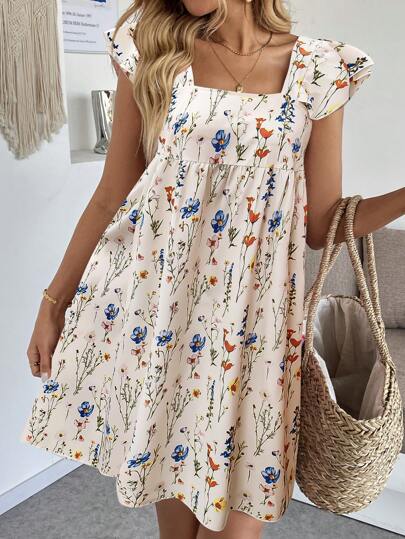


Price-to-review ratio note: The two highest-reviewed options (2k+ and 2k+ reviews respectively) sit and —indicating sustained buyer satisfaction at accessible price points. Higher review counts also mean more buyer photos available for assessing real-world fabric behavior.
Buyer Comfort Reports: What Reviewers Actually Say
Aggregating comfort-specific feedback across these six dresses reveals consistent patterns:
On softness:
On breathability vs. softness trade-off:
On the transparency concern:
On durability of softness:
On sizing and comfort:
Frequently Asked Questions
What fabric feels softest in a summer floral dress?
Rayon and viscose blends consistently rank as the softest hand-feel in lightweight summer dresses. They drape against skin without the plasticky cling of pure polyester. However, 100% rayon wrinkles easily, so many soft-fabric dresses use rayon-polyester blends (typically 70/30) to retain softness while adding shape recovery. If the product listing does not specify blend ratios, buyer reviews mentioning "silky feel" or "butter-soft" are reliable indicators of high rayon content.
Does soft fabric always mean see-through?
No. Softness is determined by fiber fineness and weave flexibility, while opacity depends on thread density and fabric weight. A tightly woven lightweight polyester can be both soft and fully opaque. The risk increases with single-layer construction under 120 GSM—at that weight, lighter colors (white, pale yellow) become translucent regardless of softness. Dark florals and dense tropical prints maintain opacity even in very soft, lightweight fabrics because the print saturation itself blocks light transmission.
Rayon vs. polyester: which is more comfortable in warm weather?
Rayon absorbs moisture and feels cool on initial contact, making it comfortable in dry heat (desert climates, air-conditioned environments). Polyester wicks moisture to the surface and dries faster, performing better in humid conditions where sweat evaporation matters more than absorption. For all-day warm-weather wear across varying conditions, a rayon-polyester blend gives you the cool touch of rayon with the moisture management of polyester. Pure rayon dresses feel best for the first 2-3 hours but can feel damp and heavy by afternoon in high humidity.
How can I check fabric quality before buying online?
Look for three signals: (1) fabric composition listed with specific percentages in the product description—brands that disclose exact blend ratios are more transparent about materials; (2) buyer photos showing how the dress drapes in natural light, especially backlit shots that reveal opacity; (3) reviews specifically mentioning fabric thickness, lining presence, or see-through issues. Sort reviews by most recent to catch any quality changes between production batches. A dress with 1k+ reviews and consistent fabric praise across 6+ months indicates stable production quality.
Will a soft dress stay soft after washing?
Most soft-fabric dresses maintain their hand-feel through 10-15 cold washes if air-dried. Machine drying is the primary cause of stiffening—heat damages rayon fibers and causes polyester to develop a rougher surface texture. Fabric softener can temporarily restore feel but builds up residue that eventually reduces breathability. The most effective long-term care: cold wash on gentle cycle, hang dry away from direct sunlight, and steam rather than iron to remove wrinkles. Buyers who follow this routine report consistent softness past 20+ wears.
What construction details affect all-day comfort?
Four construction factors matter most: (1) seam finishing—French seams or serged edges prevent irritation against bare skin, especially at side seams and armholes; (2) elastic placement—smocked or shirred bodices distribute pressure evenly across the torso vs. single elastic bands that dig in after hours of wear; (3) armhole cut—a slightly dropped shoulder or flare sleeve eliminates binding during arm movement and allows underarm ventilation; (4) hem weight—a slightly weighted or faced hem prevents the dress from riding up or clinging to legs in wind. Check product photos for visible seam quality and elastic construction before purchasing.